
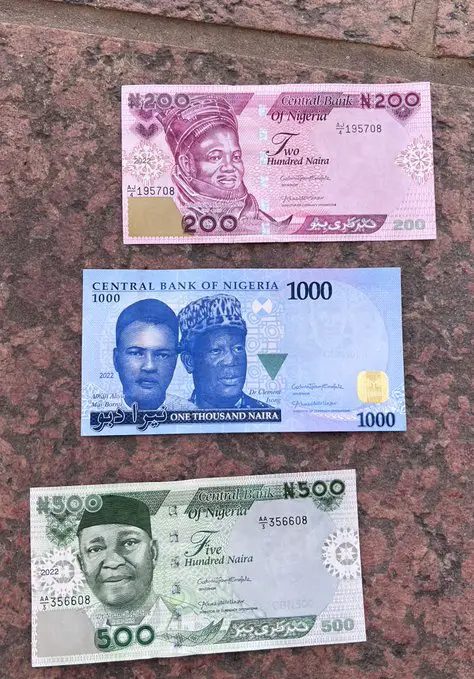
As the cash crunch bites harder, most businesses have gone under, unable to operate without cash. Worst hit are the small and medium scale industries that basically depend on cash for the sustenance and smooth running of their businesses. Some of these small scale operators have no bank accounts as they buy and sell in cash.
Some of those who fall in this category are the neighbourhood kiosk operator who sells his goods in retail form to buyers. Such stall operators as provision stores, the grocery dealer, the vegetable and others dealing in foodstuffs and the likes are very adversely affected by the current situation. These category of people sell in small quantities and as such demand cash for their products. But, owing to the Central Bank of Nigeria cash policy which has crippled most businesses in the country, these people have been forced to close shop and stay home, further worsening their plights.
Most families have drastically cut cost and reduced spending . While some families have resorted to making due with whatever they have to ensure that there is meal on the table for the family, Many others have devised more stringent ways of surviving the present predicament by cutting down drastically. Since this has become the prevailing attitude for many household, the condition for most people are even more dire thus escalating the already bad situation.
Consequently. many businesses, both small and big, have been pushed to the brink by the prevailing cash crunch in Nigeria occasioned by the naira currency redesign and cash swap policy of the Central Bank of Nigeria (CBN).
Unilever Plc, one of the foremost producers of household items such as; Sunlight soap. Omo detergent, Close up tooth paste, Knorr seasoning etc, is not unaffected by the cash squeeze. The company has recently announced that it is scaling down production in Nigeria. The company has cited the country’s worsening economic condition for its move, which could now add to the woes of Africa’s biggest economy. It has cited among other things the cash crunch and expensive dollar as the reasons for its dwindling fortune.
As a result, popular brands such as sunlight soap, omo detergents, lifebuoy, close up tooth paste and all those products produced by Unilever Plc, may soon disappear from super market shelves, as the company plans on exiting some of these products to cut down cost and continue to remain profitable in the market.
2021, these products earned the company, which has operated in the country for around a century, more than half its revenues.
The naira’s continued devaluation, a high rate of exchange for the US dollar, and a chronic cash crunch have, together, forced the fast-moving consumer goods company’s hand. For instance, to import manufacturing material, it has had to buy dollars at up to 9% above market rates.
Unilever Nigeria, which recently appointed a new executive director, said it will be “focusing more on business continuity measures that reduce exposure to devaluation and currency liquidity in our business model” as production and operating costs keep rising.
The changes were approved in a board meeting held in Lagos on March 16.
Essentially, the company is looking for a new way to adjust to the Nigerian consumer’s dwindling purchasing power.
High operational costs and job loss
Established in 1923, Unilever Nigeria has, for decades, been banking on the west African nation’s young and vibrant population. It experienced significant growth till 2021 when gross profit rose 84%.
However, it’s all been downhill since then.
Unilever is not the only one affected by this naira redesign and cash crunch. Many others like it are in the same spot and feel the pinch as well. Most are planning on taking similar moves to keep themselves and their businesses afloat the turbulent sea of business, especially in Nigeria. This will no doubt have severe consequences job losses. A dire situation for country with about 37 per cent unemployment rate.
With Additional Reports From Quartz