
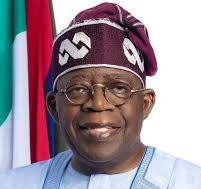
In response to recent protests in several northern states decrying the severe economic hardship caused by government economic reforms, the President Tinubu-led administration has announced plans to unlock food storage facilities across the country. This initiative aims to alleviate the suffering experienced by the populace.
The Minister of Information and National Orientation, Mohammed Idris, revealed this development following a high-level meeting at the presidential villa in Abuja. President Tinubu, along with key officials including the Chief of Staff, Femi Gbajabiamila, and the National Security Adviser, Mallam Nuru Ribadu, expressed deep concern over the situation and directed immediate action to mitigate the hardship faced by citizens.
The meeting, which also saw the participation of prominent figures such as the governor of the Central Bank of Nigeria, Yemi Cardoso, and several ministers including those from Education, Finance, Budget and National Planning, and Agriculture, emphasized the urgency of addressing the pressing issue.
Minister Idris outlined the government’s strategy, stating, “We are committed to unlocking the food reserves available in storage facilities nationwide, including those managed by the Federal Ministry of Agriculture, to ensure food security for all Nigerians.”
“Now, some of these will involve unlocking the foods that are available in most of the storage facilities (National Food Reserve) around the country. You know that the Federal Minister of Agriculture has some food reserves. That is going to be made available to Nigerian,” Idris said.
The decision comes in the wake of protests in Kano and Niger States over the soaring cost of living. Citizens, including women in Minna and youths in Kano, took to the streets demanding action to alleviate hunger and economic hardship.
Expressing solidarity with the demonstrators, President Tinubu’s administration is working tirelessly to defuse tensions and address the root causes of discontent. However, concerns persist nationwide, with many individuals voicing grievances about the unprecedented economic challenges.
Amidst this backdrop, there are apprehensions of potential escalation, with fears that unresolved issues, including those concerning university workers’ welfare, could lead to further unrest.
As Nigeria grapples with these critical issues, the government’s response underscores a commitment to ensuring the welfare and well-being of all citizens in the face of daunting economic realities.