
By Our reporter
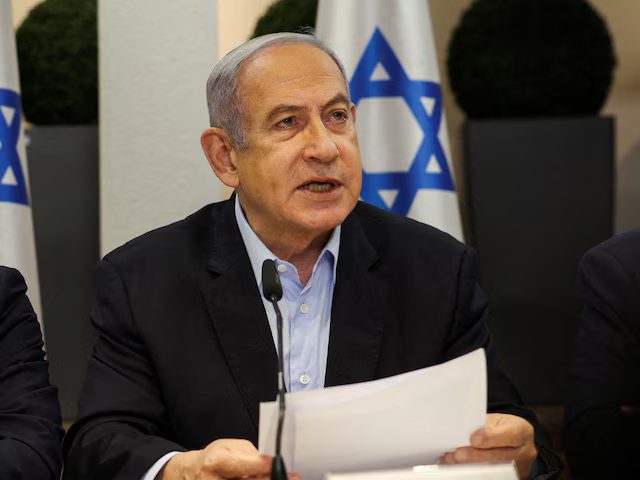
If the decision of the International Criminal Court, ICC, chief prosecutor Karim Khan to seek arrest warrants for Mr Netanyahu and his Defence Minister Yoav Gallant is granted in the coming weeks, then Israeli Prime Minister, Benjamin Netanyahu will be arrested to face war crime charges allegedly committed in the on-going Israeli/Hamas war.
If the judges unanimously agree and the court approves, arrest warrants will be issued to both Mr. Netanyahu and his Defence Minister, and both men may risk detention if they leave Israel to travel to or through any of the 124 countries that are signatories to the Statute of Rome, including the United Kingdom.
Reports say that a distinguished panel of legal experts appointed by the prosecutor’s office has already unanimously concluded and established that there are “reasonable grounds” to believe “war crimes and crimes against humanity” have been committed.
Murder and extermination, the use of starvation as a weapon of war, the deliberate targeting of civilians, other inhumane acts – there is good evidence for all of it, the experts say.
Others likely to suffer similar fate include the Russian President Vladimir Putin and Ugandan warlord Joseph Kony, whose forces were responsible for tens of thousands of child deaths, rapes, and abductions between 2002 and 2005.
Reacting to the rumour, the Telegraph reports that Israel’s foreign minister Israel Katz said the move was “scandalous” and tantamount to attacking the victims of 7 October, while Benny Gantz, the Israeli politician most likely to succeed Mr Netanyahu, described it as a “deep distortion of justice and blatant moral bankruptcy.”
Even Yair Lapid, the left leaning Israeli opposition leader, condemned the announcement as “a terrible political failure.”
Israel will “not accept a comparison to Hamas,” he said. “It is not possible to issue arrest warrants against Netanyahu, Sinwar and Deif. There is no such comparison, we cannot accept it and it is unforgivable”.
For Israel’s allies who want a ceasefire and a negotiated solution in Gaza, the ICC arrest warrants are unlikely to help in the short term.
In a statement, the UK foreign office reportedly said on Monday: “We do not believe that seeking warrants will help get hostages out, get aid in, or deliver a sustainable ceasefire. This remains the UK’s priority.”
The US, Israel’s key backer – and also not a member of the ICC – is likely to take a similar line.
Once the dust settles, however, the judgement may help deter future war crimes in Israel, the occupied territories and beyond.
As the expert panel who reviewed the ICC prosecutor’s case noted: “There is no conflict that should be excluded from the reach of the law; no child’s life valued less than another’s. The law we apply is humanity’s law, not the law of any given side. It must protect all the victims of this conflict; and all civilians in conflicts to come”.