
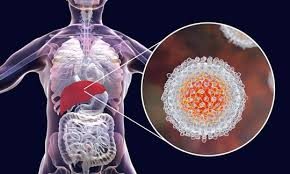
Hepatitis involves inflammation of the liver cells and damage to the liver. The liver is a vital organ that processes nutrients, filters the blood and fights infections. When the liver is inflamed or damaged, its functions can be affected. Hepatitis is commonly caused by a viral infection, but there are other possible causes of hepatitis such as heavy alcohol use, toxins, some medications, and certain medical conditions.
Viral infections of the liver that are classified as hepatitis include hepatitis A, B, C, D, and E. A different virus is responsible for each type of virally transmitted hepatitis
The 5 Types of Viral Hepatitis
A different virus is responsible for each type of virally transmitted hepatitis.
Hepatitis A
Hepatitis A is caused by an infection with the hepatitis A virus (HAV). This type of hepatitis is most commonly transmitted by consuming food or water contaminated by feces from a person infected with hepatitis A.
Hepatitis B
Hepatitis B is transmitted through contact with infectious body fluids, such as blood, vaginal secretions, or semen, containing the hepatitis B virus (HBV). Injection drug use, having sex with an infected partner, or sharing razors with an infected person increase your risk of getting hepatitis B.
Hepatitis C
Hepatitis C comes from the hepatitis C virus (HCV). Hepatitis C is transmitted through direct contact with infected body fluids, typically through injection drug use and sexual contact.
Hepatitis D
Also called delta hepatitis, hepatitis D is a serious liver disease caused by the hepatitis D virus (HDV). HDV is contracted through direct contact with infected blood.
Hepatitis E
Hepatitis E is a waterborne disease caused by the hepatitis E virus (HEV). Hepatitis E is mainly found in areas with poor sanitation and typically results from ingesting fecal matter that contaminates the water supply.
If not treated with caution, this hepatitis virus would gradually grow into a more severe state which results in scarring of the liver, abnormal functionality of the liver and in due time, chronic hepatitis, liver cancer or cirrhosis.
What Are The Symptoms Of Hepatitis?
The symptoms of the different types of hepatitis are similar, but laboratory tests can identify the specific type a person has. Hepatitis that are chronic, like hepatitis B and C you may not have symptoms in the beginning. Symptoms may not occur until the damage affects the liver function. Hence the importance of regular body check ups.
Signs and symptoms of acute hepatitis appear quickly. They include:
- fatigue
- flu-like symptoms
- dark urine
- pale stool
- abdominal pain
- loss of appetite
- malaise, or a general feeling of being unwell
- itchy skin
- muscle or joint aches
- unexplained weight loss
- yellow skin and eyes which may be sign of jaundice
What Causes Hepatitis B?
Hepatitis B is caused by the hepatitis B virus (HBV).Infection with hepatitis B is usually acute, or short-term, but it can become chronic. You can get infected if you come into contact with body fluids — such as blood, saliva, semen, and vaginal fluids — from an infected person. Hepatitis B isn’t spread through casual contact.
The virus can transmit through:
- having unprotected sexual intercourse
- sharing needles
- having a tattoo with unsterilized needles
- sustaining accidental skin pricks with medical equipment
- sharing personal items, such as a toothbrush or razor
- breastfeeding, if the mother has the virus
The symptoms are similar to those of other types of hepatitis. They include abdominal pain and jaundice.
Long-term complications, such as liver cancer or cirrhosis, can affect around 15-25% of people with chronic hepatitis B. This can lead to liver failure, where your liver stops working properly, and even liver cancer. It can also cause blood vessel problems and kidney disease. Hepatitis B can even cause death if it’s not treated.
YahooNews