
By Mary Onyia
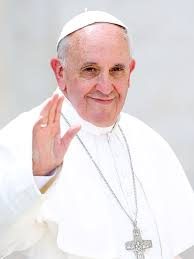
Vatican City — Following the passing of Pope Francis on Easter Monday, the College of Cardinals is preparing for one of the most sacred and secretive processes in the Roman Catholic Church: the election of a new pope. The papal conclave, which will take place in the Sistine Chapel, will formally commence after a period of mourning and the late pontiff’s funeral Mass at the Vatican.
With 266 popes throughout the Church’s history, the choice of the next spiritual leader for over 1.3 billion Catholics worldwide now rests solely in the hands of the College of Cardinals. As speculation mounts, several prominent names are emerging as frontrunners.
Cardinal Robert Sarah of Guinea stands out as a potential historic choice. Known for his firm conservative stance on issues such as same-sex marriage, gender ideology, secularism, and migration, Cardinal Sarah has been dubbed by some as an “anti-woke” candidate. If elected, he would become the first African pope in over 1,500 years, symbolizing a dramatic shift in the Church’s global direction.
Cardinal Pietro Parolin, 70, the Vatican’s Secretary of State and a close adviser to Pope Francis, is also considered a key contender. His reputation for diplomacy and global outreach has made him a respected figure, though his Italian nationality could work against him in a Church increasingly wary of returning to European dominance—especially given that 213 of the 266 popes have been Italian.
Cardinal Péter Erdő, 72, the Hungarian Archbishop of Budapest, brings a blend of theological depth and administrative experience. Twice elected to lead the Council of European Episcopal Conferences, Erdő has played significant roles in Vatican synods and papal visits. He remains a strong favorite, particularly among European cardinals—the largest bloc in the conclave.
Cardinal Reinhard Marx, 71, from Germany, is a progressive voice within the Church. A former head of the Vatican’s financial reform council, Marx has championed reforms around clerical celibacy, women’s roles, and accountability following abuse scandals. In 2021, he offered his resignation to take responsibility for Church failings—a move that Pope Francis declined, affirming his continued leadership.
The conclave itself is a solemn process. Cardinals gather under strict secrecy in the Sistine Chapel, voting up to four times per day until a two-thirds majority is achieved. The result is signaled by smoke: black for no decision, white for a successful election. The newly chosen pope, always a cardinal, must be a baptized male Catholic and willing to accept the role. Upon acceptance, he selects a new papal name and delivers his first blessing, Urbi et Orbi—to the city and to the world—from the balcony of St. Peter’s Basilica.
As the world watches, the Catholic Church prepares to turn a historic page, one that may signal not just a new leader, but a new era.