
By Geraldine Onyenweaku
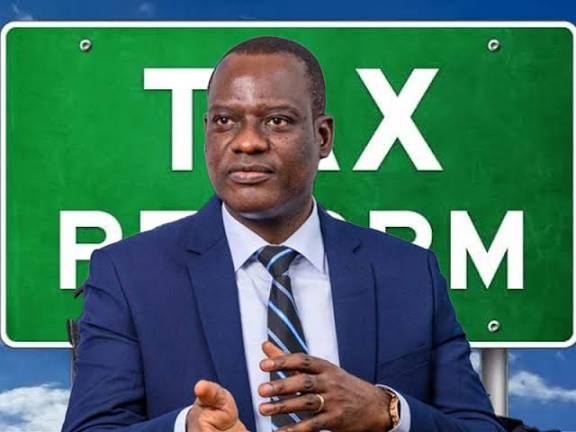
Just as the planned protests for January 14, 2026, against the new tax law begin, Nigerians find themselves once again at a familiar crossroads: a government demanding more from a people who already have little, and offering even less in return. President Bola Tinubu’s new tax reforms are being introduced at a time of deep economic pain, widespread insecurity, and crushing hardship. Rather than inspiring confidence, these reforms have ignited anger, fear, and resistance, because they come in a country where the basic social contract between the state and its citizens has long been eroded.
Nigeria is a nation of over 200 million people, with a frighteningly high youth unemployment rate and no meaningful unemployment benefits. Millions of young graduates roam the streets with certificates but no jobs, no support, and no safety net. Contrast this with countries like the United States, where unemployed citizens can access jobless benefits, food assistance (SNAP), housing support, and child welfare programs; the United Kingdom, where Universal Credit supports the unemployed, low-income earners, and families with housing and child benefits; and Germany, where citizens enjoy unemployment insurance, vocational retraining, child allowances, and robust social security for the aged. These countries tax their citizens—but only after building systems that protect them from hunger, illness, and total collapse.
In Nigeria, the reality is far harsher. Public hospitals are underfunded, poorly equipped, and understaffed, forcing citizens to pay out of pocket for even the most basic medical care. There is no functional national health safety net for the poor or the elderly. In contrast, the United States—often cited as the world’s most developed economy—offers Medicare and Medicaid for the elderly and low-income individuals, as well as food and nutrition programs for children, unemployment insurance, mortgage assistance, farm subsidies, and disability benefits. In Nigeria, illness is a sentence to poverty, and old age is a punishment borne almost entirely by struggling family members.
The burden on the few working Nigerians is unbearable. A single salary now supports unemployed siblings, aged parents, extended family members, and sometimes entire households. School fees—both public and private—are skyrocketing, placing education beyond the reach of many families. Yet the government continues to retreat from its responsibilities, leaving citizens to finance education, healthcare, housing, electricity, water, and security entirely on their own.
Since the advent of the Tinubu administration, the cost of living has risen sharply, worsened by the abrupt removal of fuel subsidy without adequate planning or cushioning measures. Fuel prices skyrocketed, triggering increases in transportation costs, food prices, rent for houses, and the overall cost of doing business. Electricity tariffs have also risen, even as power supply remains unreliable, forcing households and businesses to depend on generators. Nigerians pay more for darkness, more for hunger, and more for survival.
All of this is happening in a country crippled by weak institutions. The legal framework is fragile, the judiciary is increasingly perceived as subservient to the Executive, and the legislature appears disconnected from the pain of the people it claims to represent. Insecurity persists across the country, with insurgency, banditry, and kidnappings undermining lives and livelihoods. Corruption remains deeply entrenched, with those accused of looting public funds often deemed “too big to be tried,” still pulling strings in the corridors of power and calling the shots with impunity.
Against this backdrop, the new tax reforms feel less like economic policy and more like punishment. Nigerians already generate their own electricity, drill their own boreholes, build houses without state support, secure their neighborhoods, and pay for private education and healthcare. In practical terms, they are their own government. How, then, does a state that provides almost nothing justify taxing its people even more? Is the aim to tax citizens out of existence?
Before implementing any new tax law, the government must first put the essentials in place: reliable electricity, affordable healthcare, accessible education, social welfare for the unemployed and elderly, security of lives and property, and institutions that work independently and credibly. Development does not begin with taxation; it begins with trust, service delivery, and visible results. Putting the cart before the horse will not deliver meaningful development—it will only deepen resentment and resistance.
Government, at its core, must be about the people and for the people. Nigerians want to see clear, positive evidence of what subsidy removal and previous taxes have achieved. Until then, this is one tax too many.
First things first. A suffering people cannot be taxed into prosperity—they must be lifted, protected, and empowered before they are asked to contribute more.