
By Mary Onyia
Improvements at the Apapa Wharf and wider port reforms have been identified as key drivers of Nigeria’s 300,000-metric-tonne increase in fish production in 2025, the Ministry of Marine and Blue Economy has said, marking the first production rise in more than a decade.
The ministry’s spokesman, Dr. Bolaji Akinola, said the breakthrough followed the resolution of the long-standing Apapa gridlock, which for over 20 years crippled the Lagos port corridor and disrupted trade, including the movement of fisheries inputs and outputs. He noted that sustained interventions delivered lasting relief by early 2024.
“By early 2024, sustained policy coordination, operational discipline and infrastructure optimisation delivered lasting relief to Apapa and its environs. The clearing of the gridlock significantly reduced cargo dwell time, lowered logistics costs, enhanced port efficiency and removed a major disincentive to investment,” Akinola said, adding that the reforms restored the Lagos ports as effective gateways for commerce.
According to him, the improved port efficiency helped strengthen the fisheries and aquaculture value chain, contributing directly to higher domestic fish production and reducing Nigeria’s dependence on imports, while boosting food security, jobs and value creation.
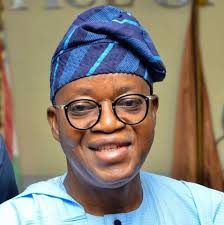
Akinola said the gains were part of broader reforms under the Minister of Marine and Blue Economy, Adegboyega Oyetola, which have “unlocked” the sector since he assumed office in August 2023, restoring confidence and repositioning the marine and blue economy as a pillar of economic diversification.
He also highlighted Nigeria’s return to the International Maritime Organisation (IMO) Council in 2025 after 14 years, a development he said restored the country’s global maritime standing and strengthened its influence in shaping international regulations.
In addition, Akinola disclosed that approval was secured in 2025 for Nigeria’s first comprehensive port modernisation in over 50 years, alongside the establishment of the Regional Maritime Development Bank, steps he said would sustain growth in shipping, ports and fisheries, while the minister remains committed to supporting indigenous ship owners.