
By Mary Onyia
The introduction of a compulsory cashless payment system across the nation’s airports by the Federal Airports Authority of Nigeria (FAAN) has triggered confusion and gridlock, with travellers lamenting delays and poor coordination at major terminals.
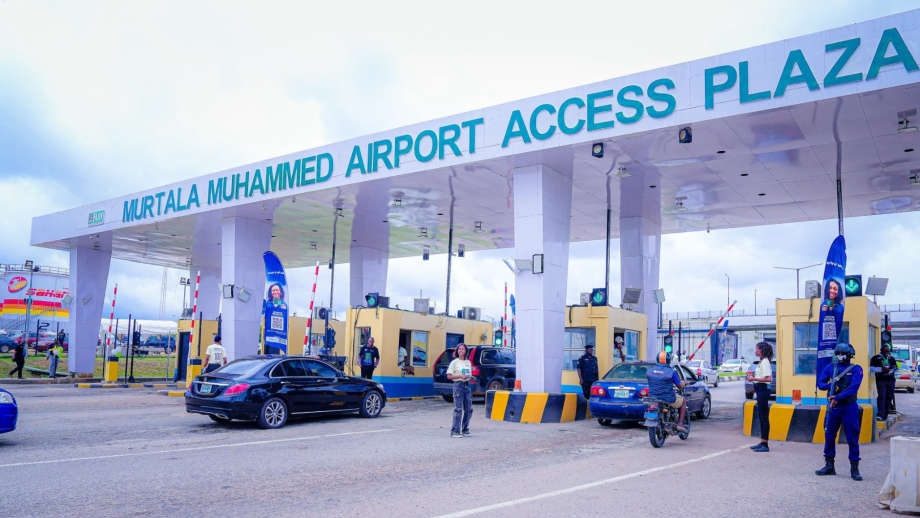
The policy, which took effect nationwide under the code name “Operation Go Cashless,” abolished cash payments at airport gates, car parks, and other service points, leaving motorists and passengers scrambling to obtain payment cards amid long queues.
The development has also reignited debate over what critics describe as government inconsistency in policy implementation. Observers note that during national elections, authorities often retain manual collation as a safeguard against network failures and technological glitches. However, at the airports, no such fallback was provided despite known infrastructure lapses, leading to hours of traffic congestion and missed flights. The absence of a manual backup option has been described by some travellers as insensitive, particularly given Nigeria’s recurring connectivity challenges.
Responding to the uproar, FAAN’s Managing Director and Chief Executive Officer, Olubunmi Kuku, reportedly defended the initiative, insisting the reform is irreversible and necessary for transparency and efficiency. “There is no going back on this decision. It aligns FAAN with national financial management reforms and will improve transparency, accountability, and operational efficiency across our airports,” she said, while acknowledging that initial implementation hiccups were inevitable.
Under the new regime, FAAN has introduced multiple payment channels, including prepaid Go-Cashless cards obtainable at designated airport points and selected bank branches, as well as electronic payments through debit and credit cards on approved platforms. Cash transactions have been completely discontinued at all official airport payment locations nationwide.
To ease the hardship faced by travellers, FAAN said it has deployed additional personnel to manage traffic, increased the number of card registration and collection centres, and intensified public sensitisation efforts to encourage early card acquisition before arriving at airport gates.
While the authority maintains that the situation will stabilise as users adjust to the system, the chaotic rollout has fueled broader concerns about preparedness and the need for policy flexibility in a country still grappling with technological constraints.