
By Mary Onyia
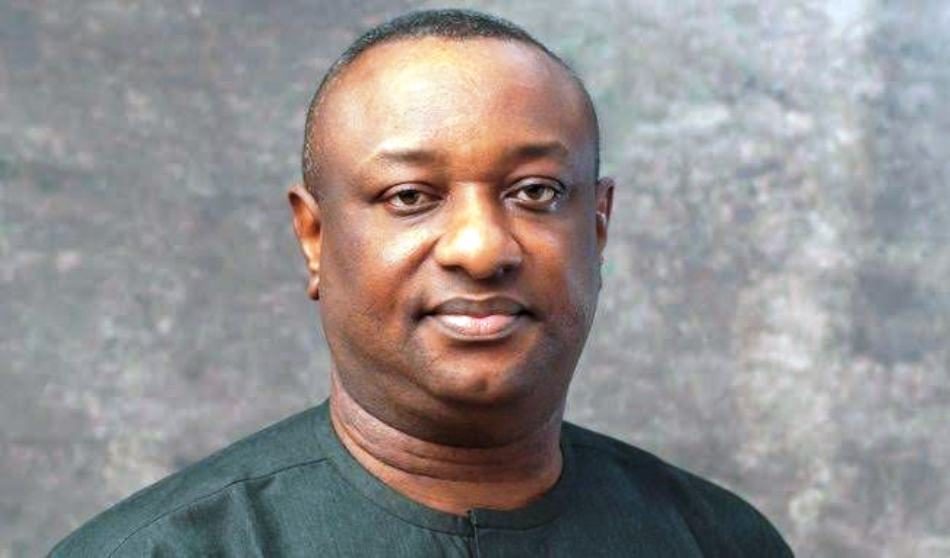
Nigeria may be surrendering control of its international aviation market as foreign airlines currently account for about 90 per cent of passenger traffic in and out of the country, the Minister of Aviation and Aerospace Development, Festus Keyamo, has disclosed. Speaking on Thursday at the unveiling of two newly acquired Boeing 737-800NG aircraft by United Nigeria Airlines at the Murtala Muhammed Airport, Lagos, Keyamo said the Federal Government was determined to reverse the trend by allocating more international routes to indigenous carriers. “We do not have a national airline, but we are proud of our flag carriers. Our focus is to support them, help them grow, and ensure they can compete globally,” he said.
The minister revealed that the Federal Government had secured approval for the establishment of a national aircraft leasing company aimed at improving access to aircraft for Nigerian operators through government-backed arrangements. According to him, the initiative will address the difficulties local airlines face in acquiring aircraft from foreign lessors and strengthen their capacity to compete on regional and international routes.
Chairman of United Nigeria Airlines, Prof. Obiora Okonkwo, however, warned that domestic carriers remain under severe pressure from rising operational costs, inadequate funding, and persistent aircraft shortages. He noted that Nigerian airlines operate in one of the most expensive aviation environments in the world, spending huge sums on overseas training, aircraft maintenance, and fleet acquisition. “In the last three months, the industry may have lost N10 billion due to disruptions in air travel,” he said, stressing that urgent policy interventions were needed to keep operators afloat.
Okonkwo urged the Federal Government to review multiple charges imposed on airlines and reconsider the aviation revenue-sharing structure to allow agencies retain a greater portion of their internally generated revenue for infrastructure development. “Aviation remains a critical driver of economic growth, trade and national connectivity. Better-funded agencies will be able to provide the infrastructure required to support operators and make the industry more sustainable,” he stated, while calling for stronger collaboration among government, regulators, and industry players.
Despite the challenges, Okonkwo described the acquisition of the two aircraft, named after the late Prof. Chinua Achebe and the Obi of Onitsha, Igwe Alfred Nnaemeka Achebe, as evidence of United Nigeria Airlines’ commitment to growth and improved service delivery. To stem the growing dominance of foreign carriers, industry stakeholders say the government must urgently reduce operating costs, expand access to affordable aircraft financing, and provide policies that give indigenous airlines a fair opportunity to compete in the international market.