
By Felix Olukayode
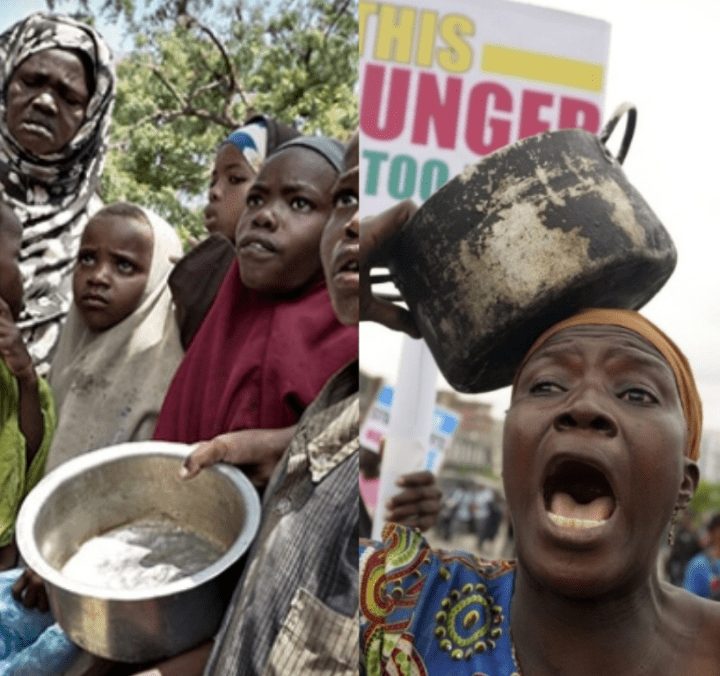
For millions of Nigerians, daily survival has become a herculean task. Hunger has deepened as soaring food prices, rising transportation costs, expensive cooking gas and fuel, electricity tariff hike, multiple taxation, and the abrupt removal of fuel subsidy continue to erode household incomes and worsen the cost-of-living crisis.
Despite these realities, many government officials insist that there is no widespread hunger and that the administration’s economic reforms are yielding positive results. The President of the Senate, Godswill Akpabio, is among those who have maintained that the reforms are working. Government officials and some economists who support the administration frequently point to macroeconomic indicators, arguing that the data show the economy is gradually stabilising and that better days lie ahead if the reforms are sustained.
Yet, for many Nigerians, these positive assessments appear disconnected from everyday realities. The widening gap between official statistics and the lived experiences of citizens has fuelled scepticism, with many questioning whether the data being presented accurately reflect conditions on the ground.
One need not dismiss the available economic data to acknowledge the hardship facing ordinary Nigerians. It would be difficult to tell a Nigerian mother struggling to feed her family that food prices have fallen—they have not, and the burden is felt across the country. At the same time, some economic indicators suggest that key structural adjustments are underway: state revenues have improved, subsidy-related leakages have been curtailed, and the foreign exchange market has shown signs of greater stability.
However, a Lagos-based businessman, John Ifejika has criticised President Bola Tinubu’s economic reforms, saying the administration is rolling out too many painful measures at once without cushioning their effects. According to him, imposing “too many reforms without any sweetener for the poison” will deepen the suffering of Nigerians and outweigh the intended gains.
Ultimately, the success of any economic reform should not be judged solely by improvements in macroeconomic statistics but by its impact on the welfare of citizens. The true measure of these reforms will be whether they translate into lower living costs, stronger purchasing power, and tangible improvements in the quality of life of ordinary Nigerians.