
By Mary Onyia,
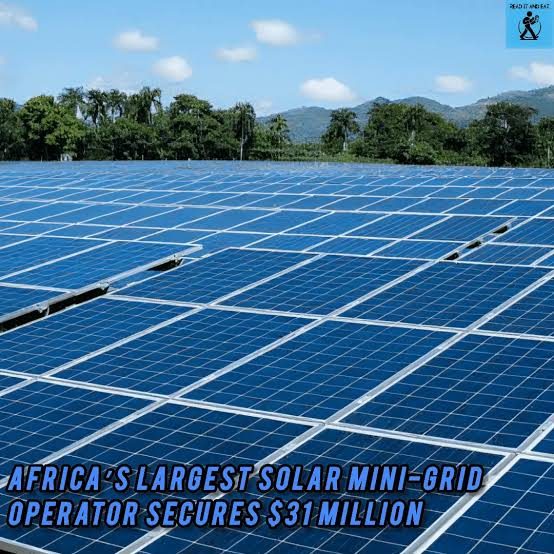
Nigeria has commissioned 23 renewable mini-grids under the Africa Mini-Grid Programme (AMP), bringing electricity to homes, businesses, and agricultural processing centres in underserved communities as the country steps up efforts to expand clean energy access.
Speaking at the programme’s media launch, the Managing Director of the Rural Electrification Agency (REA), Abba Aliyu, said the mini-grids, delivered through partnerships involving the Federal Government, the United Nations Development Programme (UNDP) and the Global Environment Facility (GEF), are improving livelihoods, creating jobs and stimulating rural economies. He said energy access should go beyond providing electricity to driving economic growth.
The expansion comes as the global transition from fossil fuels to renewable energy continues to gather pace. According to the International Renewable Energy Agency (IRENA), renewable energy saved the global economy about $480billion fossil fuel costs in 2025, with more than 90 per cent of new utility-scale renewable projects generating electricity at lower costs than new fossil fuel plants.
IRENA Director-General, Francesco La Camera, said falling renewable energy costs are strengthening energy security and protecting countries from volatile fossil fuel prices. He noted that every new renewable energy project improves economic competitiveness while reducing dependence on imported fuels.
The Minister of Power, Joseph Teghe, said the Federal Government remains committed to expanding decentralised renewable energy to underserved communities, healthcare facilities, tertiary institutions, and agricultural clusters. The United Nations Resident and Humanitarian Coordinator in Nigeria, Mohamed Malick Fall, added that clean energy is vital for powering hospitals, schools, businesses, and sustainable economic growth.
Nigeria’s renewed focus on renewable energy also comes amid growing adoption of solar power across public institutions. The recent installation of a solar power system at the Aso Rock Presidential Villa reflects the government’s increasing investment in cleaner and more reliable energy solutions as part of the country’s broader energy transition agenda.