
By Our Reporter
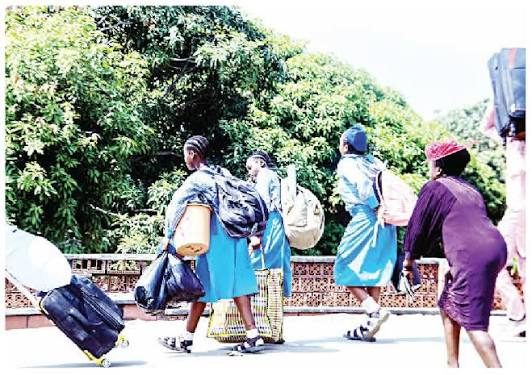
Nigerian parents are facing a fresh financial squeeze as schools reopen for the 2026/2027 academic session, with higher petrol prices adding to already rising school fees and transportation costs. On Monday, September 14, schools in Lagos and Federal Unity Colleges resumed amid reports that many private schools had raised their fees by between 30 and 40 per cent.
The pressure has intensified following a fresh increase in petrol prices, triggered by international crude oil prices rising above $100 a barrel. MRS stations in Lagos and its environs raised their pump price to N1,400 per litre from N1,300, while NNPC stations moved to N1,375 from N1,275. Some independent marketers also raised their prices to about N1,400, following Dangote Petroleum Refinery’s increase in its gantry price to N1,350 per litre.
Experts say the largely deregulated downstream market means domestic petrol prices are increasingly exposed to fluctuations in international crude prices. Victoria Ibezim-Ohaeri, Executive Director of Spaces for Change, warned in a report that higher fuel and logistics costs would further squeeze household purchasing power, particularly through increased transportation and food costs. Nigeria’s headline inflation stood at 15.43 per cent in July, while food inflation rose to 20.31 per cent, according to the National Bureau of Statistics.
The impact is already being felt in the school run, with Lagos parents devising creative ways to cut transportation costs. Some have opted for school pools, in which one parent provides a vehicle to transport the children while other parents contribute towards fuel costs. Others, such as Mrs Agatha Ubong, said they would rather contract a tricyclist than spend about N10,000 daily fuelling a car for the school run. Meanwhile, rising fuel costs have forced some schools to reduce their bus services or suspend them entirely, raising concerns about job losses for drivers. A school in Alagbado has reportedly stopped operating its buses, leaving parents to make alternative transport or boarding arrangements.
School proprietors, however, say they are grappling with rising operating costs, unpaid fees, taxes, rents and higher staff salaries. Otunba Yusuf Alaka, President of the Lagos chapter of the National Association of Proprietors of Private Schools, reportedly said the 40 per cent increase was modest compared with the rising cost of running schools, noting that some teachers in parts of Lagos now earn at least N150,000 monthly.
Chief Deolu Ogunbanjo, Chairman of the Board of Trustees of the National Parent Teacher Association of Nigeria, expressed sympathy for parents who, he said, were already struggling with school fees and other education-related expenses. He appealed to school proprietors to limit fee increases to 20 per cent, given the importance of education to every child.
With fuel prices, school fees and transportation costs all rising while incomes have largely failed to keep pace, the new academic session is beginning with a difficult calculation for many Nigerian families: how to keep their children in school while meeting the rising cost of getting them there. a
With additional reports from the Vanguard and Punch