
By Felix Olukayode
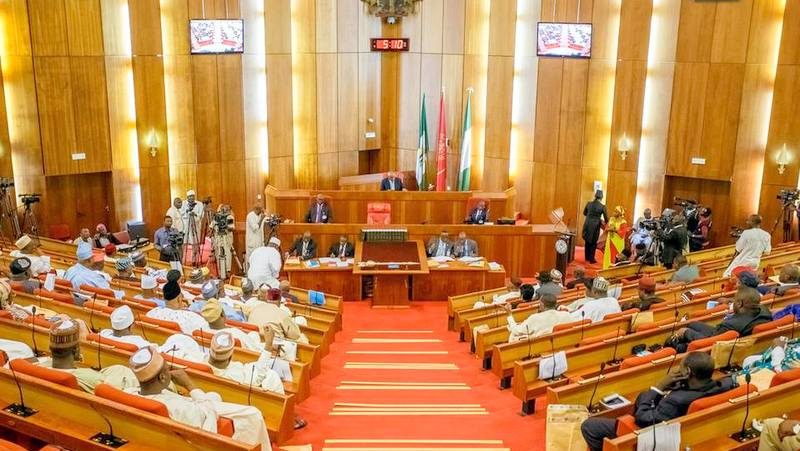
The Senate has passed for a second reading a bill seeking to make emergency medical treatment compulsory in public and private hospitals across Nigeria, proposing up to six months’ imprisonment, a fine of ₦300,000, or both for anyone who denies patients life-saving care.
Sponsored by Senator Abdulaziz Musa Yar’Adua (APC, Katsina Central), the bill seeks to amend the National Health Act, 2014, to establish enforceable emergency treatment standards and referral procedures.
The proposed legislation prohibits hospitals, healthcare providers, and medical personnel from denying emergency treatment for any reason. It requires hospitals to conduct initial assessments within 15 minutes of a patient’s arrival and begin basic stabilization within 30 minutes. Patients requiring admission must be assigned beds within two hours, subject to availability, while hospitals must initiate referrals within two hours and complete transfers within three hours. Ambulances or alternative transportation must also be arranged within 30 minutes of a referral decision.
The bill further proposes mandatory emergency care training and certification for healthcare workers, with recertification every 18 months or less. However, it provides protection for medical practitioners when documented resource constraints prevent compliance, provided prescribed referral procedures are followed.
Leading the debate, Yar’Adua said the amendment would address critical gaps in the healthcare system and ensure that Nigerians receive life-saving treatment “irrespective of their social status, wealth, influence or location.” He attributed preventable deaths partly to delays in accessing emergency care.
However, Senator Francis Faduyile (APC, Ondo South) cautioned against criminalizing healthcare workers without addressing inadequate facilities, personnel shortages, and poor funding. He questioned how doctors attending to several patients simultaneously could be held liable for failing to meet prescribed timelines.
The Senate Minority Leader, Senator Abba Moro (PDP, Benue South), also condemned hospitals that demand police reports before treating accident victims, insisting that saving lives must take priority.
The bill was referred to the Senate Committee on Health (Secondary and Tertiary), with a directive to report back in four weeks. Senate President Godswill Akpabio urged lawmakers to support its progression, stressing that federal, state, and local governments must provide the facilities and resources needed to make emergency healthcare effective. The proposed amendment seeks to strengthen accountability in emergency care while addressing the systemic deficiencies that often turn treatable medical conditions into fatal emergencies.