
By Geraldine Onyenweaku
As the 2027 general elections draw closer, a grand opposition coalition aimed at unseating President Bola Ahmed Tinubu appears to be wobbling under the weight of internal rivalries and unresolved differences.
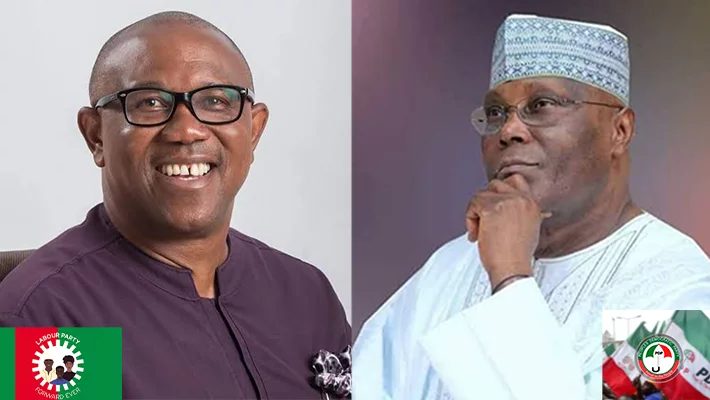
At the heart of the deadlock is the contentious issue of who will fly the coalition’s presidential flag. Former Vice President Atiku Abubakar, who has made multiple bids for the presidency, remains a strong contender. On the other hand, Peter Obi, the 2023 presidential candidate of the Labour Party, is also keen on running again, drawing support from a large youth base and civil society groups.
However, consensus remains elusive. Political heavyweights like former Kaduna State Governor Nasir El-Rufai of the Social Democratic Party (SDP), and former Rivers State Governor Rotimi Amaechi of the African Democratic Congress (ADC), are also influential players whose ambitions or preferences could tilt the balance.
Sources indicate that regional and religious considerations have become stumbling blocks. While the North argues for a return of power based on the informal rotational agreement, the South insists President Tinubu must complete a southern turn before power rotates back to the North. Obi has warned against ethnic and religious sentiments dictating the process, but those divisions persist.
At a recent coalition meeting, Obi’s open declaration of interest reportedly irked some members, raising concerns that entrenched personal ambitions may derail the alliance before it fully materializes.
The coalition’s fragility is further exposed by deep-seated fractures within the constituent parties. The Labour Party remains mired in leadership crises, splitting into multiple factions. The once-formidable People’s Democratic Party (PDP) is grappling with internal strife, while smaller parties are also battling legitimacy and relevance. These internal wranglings cast doubts on the opposition’s readiness to present a united front.
El-Rufai has blamed the ruling All Progressives Congress (APC) for allegedly sowing discord in opposition parties to prolong its hold on power—an accusation the presidency is yet to respond to.
The path forward is uncertain. Will the coalition parties prioritize national interest over personal ambitions, regional bias, and partisan squabbles? Will they rally around a unifying candidate with national appeal and a credible plan to reverse Nigeria’s declining fortunes?
Time is of the essence. For the coalition to stand a chance in 2027, its leaders must urgently overcome their divisions, build consensus, and present a competent, widely accepted candidate. Anything short of this could gift the ruling APC another easy victory. The next few weeks will be crucial in determining whether this coalition becomes a transformative force—or just another political mirage.