
By Our Reporter
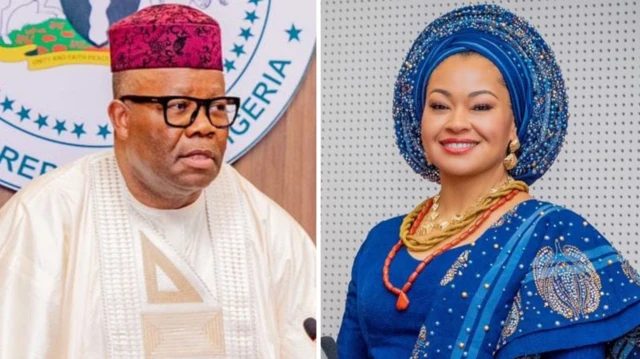
Senator Natasha Akpoti-Uduaghan, representing Kogi Central, has taken her case with Senate President Godswill Akpabio to the Inter-Parliamentary Union (IPU) in New York on Tuesday, accusing him of sexual harassment.
Akpoti-Uduaghan alleged that Akpabio made sexual advances toward her, which prompted her to file a formal complaint. However, instead of addressing the issue, the Senate suspended her for six months, citing alleged “misconduct” related to a heated dispute over seating arrangements in the Senate chamber. The suspension also included stringent penalties, barring her from representing herself as a senator in any local or international gatherings.
Akpoti-Uduaghan has since described her suspension as “unlawful,” and she firmly believes that her punishment was a direct result of her petition against Akpabio. In her statement, she emphasized that her suspension represents a broader issue: the systemic exclusion of women from political leadership in Nigeria.
“I was suspended illegally because I submitted a petition for sexual harassment against the President of the Nigerian Senate, Senator Godswill Akpabio,” she explained. “I thought that by submitting the petition, he would recuse himself, and both of us would submit ourselves to the Committee on Ethics, Privileges, and Public Petitions for a fair, transparent investigation. But unfortunately, I was silenced and suspended.”
She continued: “This is bigger than me. It represents the crisis of women’s political representation. My suspension is not just about me—it’s about the systemic oppression of women in Nigerian politics.”
The suspension of Senator Akpoti-Uduaghan has sparked national outrage, as her petition against Akpabio was dismissed by the Senate, even after submitting a second petition. Her decision to take her case to the IPU underscores her commitment to fighting for justice, not just for herself but for women who are oppressed in political and workplace environments across Nigeria.