
By Mary Onyia
A recent tragic incident has once again highlighted the escalating violence in Anambra State. A female banker, identified as Ifeoma, was kidnapped in Onitsha by suspected kidnappers. Despite her family paying the ransom, the assailants still killed her and abandoned her body at Ideani Junction along the Nnobi/Alor Road.
Human rights activist Harrison Gwamnishi shared the heartbreaking news on his Facebook page, expressing his concern over the state’s deteriorating security situation. He wrote: “Ifeoma, a banker, was kidnapped in Anambra State. Ransom was demanded and paid, but her abductors still killed her and dumped her body along Ideani Junction, Nnobi/Alor Road.”
Gwamnishi further warned: “Lives are being taken daily, and sadly, nothing is being done to end these killings. WHO IS NEXT? If we keep folding our hands and do nothing, it may get to you.”
The Anambra State Police Command confirmed the incident. Spokesman Tochukwu Ikenga noted that the police had received information about the abandoned female corpse, which was subsequently evacuated.
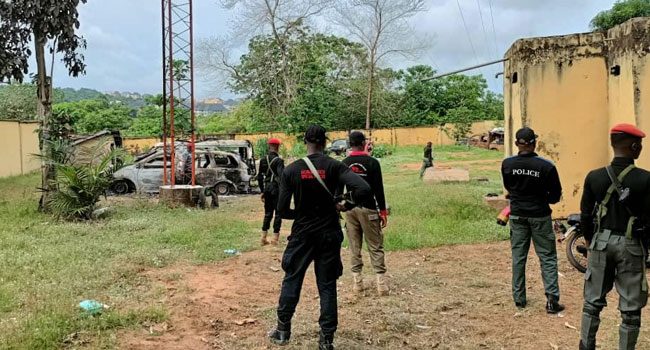
This incident is part of a troubling trend in Anambra State, where violent crimes, including kidnappings, have become alarmingly frequent. In the past three weeks, the state has witnessed multiple tragedies, including an attack on security operatives that resulted in the deaths of seven people. Earlier in the year, a similar tragedy struck Okija, claiming many lives. These violent acts are sparking widespread fear across the state.
Businessmen in Anambra State have also expressed growing concern over the state’s security crisis.
Fidelis Maduabuchi, a local businessman, described the current situation as unprecedented, stating: “I have lived here all my life, but I can tell you categorically, I have never witnessed this level of violence.” Maduabuchi further noted that criminals appear to be gaining confidence, carrying out their attacks with increasing brazenness.
He called on the state government to take urgent action to address the rising violence, warning that if the situation is not tackled, it could cause irreparable harm to both the people and the economy of Anambra.
Andrew Onyeka, another businessman from the state, lamented the impact of the violence on local businesses. Once a thriving commercial hub, Anambra is now seeing a mass exodus of businesspeople seeking safer locations. Onyeka urged the state government to take decisive action before the situation worsens.
Residents are equally frustrated. Mrs. Beatrice Okonkwo, a housewife from Onitsha, expressed her concern, asking, “How many deaths will it take before the government responds accordingly? Will they wait until we are all dead? Or until we have all fled this state before they realize how dire the situation is?”
The people of Anambra State continue to wait for concrete measures to restore peace and security to their communities. As violence escalates, the urgency for action becomes even more apparent.