
By Our Correspondent
Many Nigerians say the timing of the new tax laws could not be worse. Coming after painful reforms, such as the removal of fuel subsidies and currency adjustments — all promised as sacrifices for a better future — the tax changes have reopened deep-seated frustration. Instead of relief, many citizens say each reform has brought more hardship, widening the trust gap between the government and the people.
That trust deficit deepened after the National Assembly released Certified True Copies (CTCs) of the tax laws, confirming fears that the versions now being enforced are different from what lawmakers approved. The revelations have sparked protests and accusations of backdoor alterations to laws meant to reflect the will of elected representatives.
One major discrepancy affects tax administration. While lawmakers approved a version that clearly empowered the Nigeria Revenue Service to administer key taxes, such as VAT and petroleum income tax, those provisions are missing from the gazetted law. Critics say this raises serious questions about transparency and control over Nigeria’s most critical revenue sources.
Bank reporting rules were also quietly tightened. The Assembly-approved version required annual reporting of large transactions above higher thresholds, with safeguards for taxpayers. The gazetted law changed this to quarterly reporting, lowered the thresholds, and removed key protections — a move many see as intrusive and burdensome for citizens already struggling.
Perhaps most controversially, new provisions appeared in the gazetted law requiring taxpayers to deposit 20 per cent of disputed tax before approaching the courts, while also granting tax authorities arrest powers not approved by lawmakers. Oversight provisions mandating regular reporting to the National Assembly were also removed, weakening legislative checks.
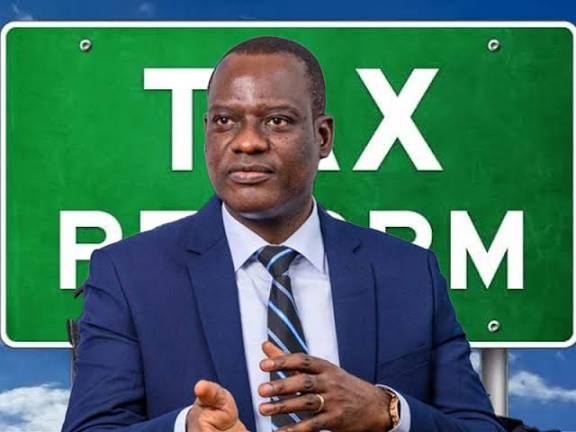
Defending the reforms, Nigeria Revenue Service Chairman Zacch Adedeji dismissed the backlash as politically driven. “The Nigeria Revenue Service is Nigeria, not a Political Revenue Service,” he said, adding that the reforms were designed to streamline collection and protect the poor. “When you look at the net benefit, the poor are the most positively affected by this reform.”
But resistance continues to grow. The President of the National Association of Nigerian Students (NANS), Olushola Oladoja, described the implementation as dangerous, saying it set “a dangerous precedent for a government that claims commitment to participatory reforms.”
Meanwhile, the Coalition of Northern Groups accused the presidency of acting unilaterally, with its coordinator, Jamilu Charanchi, declaring, “President Tinubu is implementing something entirely different from what Nigeria agreed on.” For many Nigerians, the controversy has become a painful reminder that after years of sacrifice, trust remains the biggest casualty.