
In 2022, an estimated 20 million new cancer cases were recorded with about 9.7 million deaths. The estimated number of people who were alive within 5 years following a cancer diagnosis was 53.5 million. About 1 in 5 people develop cancer in their lifetime, approximately 1 in 9 men and 1 in 12 women die from the disease, according to reports by the World Health Organisation (WHO)’s cancer agency, the International Agency for the Research on Cancer (IARC).
Consequently, experts are coming up with meals that people can eat in order to lower the risk of cancer. They suggest that dwelling on more protein diets will help prevent cancer.
According to Dr. Lori A. Alphonse, a surgical oncologist and the Deputy Physician in Chief of Lehigh Valley Topper Cancer Institute, scallops and salmon are both high in omega-3 fatty acids. Scientific studies have found that a diet that includes omega-3 fatty acids may help lower the risk of cancer because it helps prevent chronic inflammation. Scallops and salmon also both have magnesium—another nutrient linked to cancer prevention.
As for salad greens, it’s no surprise that this food is part of Dr. Alfonse’s cancer-preventing meal. There is a strong correlation between a diet high in fiber and a lower risk of certain types of cancers. A diet high in vegetables, fruit and whole grains (all in the “grow it” part of Dr. Alfonse’s motto) can help lower the risk of cancer because these foods are full of phytochemicals, which slow cancer cell growth and prevent damaged cells from reproducing.
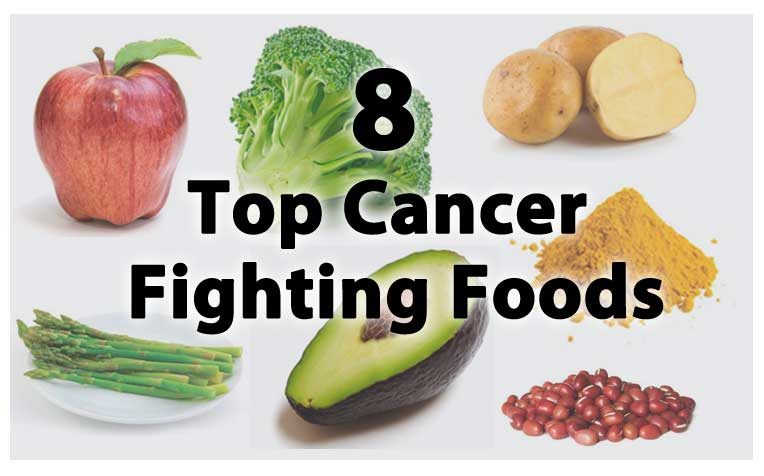
As for that baked potato, the spud may get a bad rap but potatoes are a healthy, nutrient-rich food, a good source of carbohydrates, fiber, potassium and iron.
How To Eat With Cancer Prevention In Mind
The “kill it or grow it” rule allows for a long and varied list of foods to remain on the table (like whole grains, beans, legumes and meat) while nixing ultra-processed foods that are full of ingredients that are hard to pronounce, let alone know where they come from. According to scientific research, there is a direct correlation between a diet high in ultra-processed foods and an increased risk of certain cancers, including colorectal cancer, colon cancer and breast cancer.
Besides minimizing ultra-processed foods, Dr. Alfonse also recommends prioritizing protein as a way to eat with cancer prevention in mind. “I suggest people increase their protein levels and try not to eat carbohydrates without pairing it with a protein. For example, I know people love pasta and some people can’t imagine living without it. I suggest cutting the portion in half and adding chicken or seafood,” she says. “Additionally, I suggest healthier alternatives such as chickpea or red lentil varieties of pasta. If you want to snack on crackers or pretzels, add some cheese.”
Eating this way can help lower the risk of obesity, which is important because obesity is a risk factor for many types of cancer. People with obesity are at increased risk for 13 different types of cancer, which collectively make up 40% of all cancers diagnosed in the U.S. each year.
If you want to start changing your diet to eat with cancer prevention in mind, dinner is a great meal to start with because, for many people, it’s their most substantial meal of the day. Follow in Dr. Alfonse’s footsteps by eating dinners with a balance of protein, fiber and carbohydrates. It’s one step you can take every single day to lower your risk of cancer.
Excerpts From The Telegraph