
By Mary Onyia
Despite a gradual drop in the prices of some staple foods across markets, many Nigerians say the relief exists only on paper as poor incomes, rising transport fares and surging living costs continue to squeeze households. Residents across Lagos lamented that while inflation may be slowing, daily survival remains difficult, with many families cutting meals, borrowing to feed and struggling to afford necessities.
Residents say the problem was no longer entirely about food prices but the sharp decline in purchasing power. According to a housewife, Betty Martins: “We cannot categorically say food items are exorbitant currently, except for a few produce items that are out of stock. Even the price of garri and some other food items has dropped. We used to buy a paint bucket of garri for N2,000 or N3,000, but now the same quantity is sold for N1,200 to N1,500. The problem is that most Nigerians have low purchasing power to procure these food items. Some Nigerians have cut down on food expenses due to low purchasing power. The cost of transportation is tearing deep into their pockets,” she said.
Residents also complained that while staples such as rice, beans and garri have become relatively stable, proteins and fresh produce remain painfully expensive. Mrs. Eugenia Uloma, a resident of Dopemu, said: “Food items like beef, chicken, fish, and even tomatoes and pepper are actually on the high side. Even eggs have been consistently expensive since last year and currently, we cannot get a crate of eggs for less than N6,000. However, prices of other staples like rice, beans, corn, and garri have been considerably fair and stable since the beginning of the year. It’s just that people don’t have readily available resources to buy these items. The cost of living is increasing, but salaries are not increasing.”
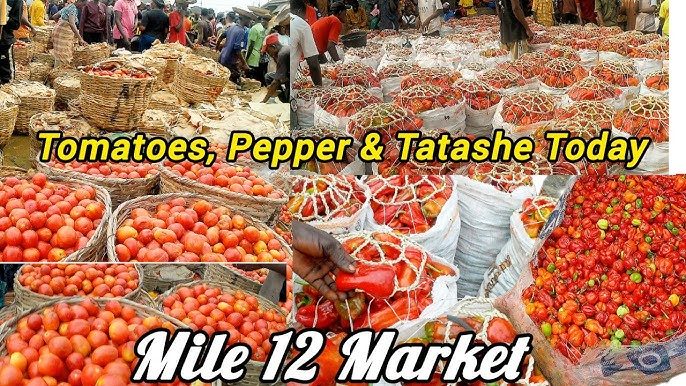
Another resident in a Lagos suburb in Ikorodu, described the sharp rise in tomato prices as alarming despite the drop in garri prices. “I was surprised when the price of garri dropped to N1,500 for a paint bucket. Earlier this year, I bought the same quantity for N3,000. But the price of tomatoes has tripled. I bought a small quantity of tomatoes, not up to 12 pieces, for N2,500 — the same quantity I bought for N500 just a few weeks ago. We will manage what we can afford,” she said. Another resident, Mrs. Lilian Agunbiade of Aboru, added that the current price reductions were insignificant compared to previous years, stressing that “some people can barely eat two square meals a day, let alone three.”
Market analysts say the easing of food inflation has done little to improve living standards because prices remain far above pre-crisis levels. Economists warn that without stronger wages, stable energy costs and more employment opportunities, the decline in food prices alone will not provide meaningful relief for millions of Nigerians already battered by prolonged economic hardship.