
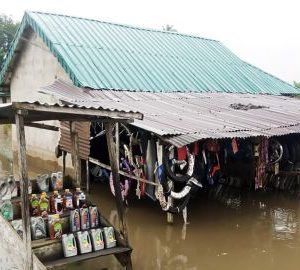
 There are concerns that the recent flood , the worst in a decade, that affected some parts of the country especially the rice producing northern and central Nigeria, may further escalate the food crisis in the land.
The flood was as a result of the torrential rainfall and the release of water from the dams in Nigeria and the Cameroun, which washed away most houses claiming lives, displacing persons and destroying properties in almost all of the affected areas in Nigeria numbering about thirty-three of the thirty-six states in the country including Abuja.
Consequently, about 108,000 hectares of farmlands have been lost in the recent flood; roads as well as over 200,000 homes destroyed.
As the rains persist and with more rains expected in the weeks and months ahead, government officials have warned of more devastating effect especially in the coast areas of Anambra, Delta, Cross Rivers, Rivers and Bayelsa states.
The humanitarian affairs and disaster management minister, Sadiya Umar Farouq, has, as a result, urged the state and local government of the affected states to be proactive and prepare to evacuate the vulnerable people living on the low lands to high grounds and to ensure the availability of medical supplies to persons in the affected areas in the event of an outbreak of water born diseases.
The flood has further compounded the food shortage in the country earlier worsened by the rising food prices owing to the activities of terrorists and inflation.
Already over 1.5million people have been displaced from their homeland in the advent of the flood with an estimated damage cost of about 17 billion dollars.