
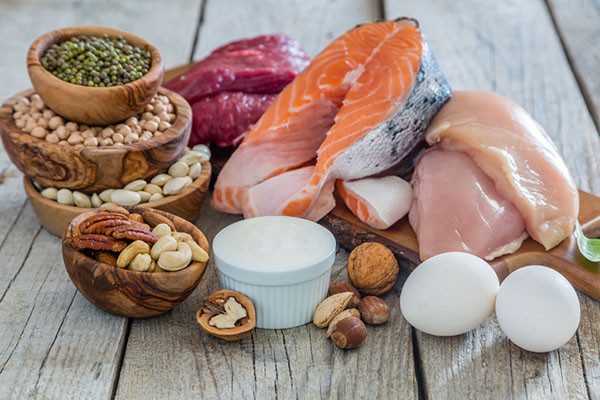
Protein is a macronutrient that provides the amino acids your body needs to perform essential functions such as building new proteins, growing and regenerating muscle tissue, and producing hormones.
Your protein needs depend on factors such as your body size, age, and activity levels, but most active people need between 1.2-2 grams per kilogram (g/kg) of protein per day (0.54-0.9 g/lb) to support optimal health.
Eggs, meat, and fish are more obvious sources of protein, but a few foods and drinks are higher in protein than you might think.
1. Lentils
Lentils are a go-to source of protein for those on plant-based diets. One cup of lentils provides 17.9 g of protein, which is more than what’s found in two large eggs.
In addition to protein, lentils are high in fiber, an important nutrient for gut health. One cup of cooked lentils contains 15.6 g of fiber, which covers nearly 56% of the Daily Value (DV). Fiber helps keep your bowel movements regular and supports the growth of beneficial bacteria in the large intestine.
Fiber and protein help you feel full after eating, so choosing foods high in these nutrients can help you feel more satiated, support weight loss, and prevent overeating.
2. Peas
Peas are legumes that are rich in plant-based protein. One cup of cooked peas contains 8.58 g of protein. The same serving provides 8.8 g of fiber, making peas particularly filling.
They’re also high in folate, a B vitamin that is especially important during pregnancy due to its role in fetal neurological development. One cup of cooked peas covers 16.83% and 25% of folate needs for pregnant and non-pregnant people, respectively.
3. Hemp Seed
Hemp seeds are the edible seeds of the Cannabis sativa L. plant. Though tiny, hemp seeds provide impressive nutrients, including protein. A one-ounce (oz) (0.25 cups) serving of hemp seeds contains 9.48 g of plant-based protein, making hemp seeds an excellent choice for people following vegan or vegetarian diets.
Hemp seeds are also high in vitamins and minerals, like magnesium, a mineral that’s involved in regulating blood sugar, blood pressure, and stress. A one-ounce (0.25 cups) serving of hemp seeds packs 210 milligrams (mg) of magnesium, covering 50% of the DV.
Use hemp seeds as a nutritious topping for granola, overnight oats, and salads.
4. Edamame
Edamame are immature soybeans with a vibrant green color and a mild, nutty flavor. They are an excellent choice for a filling, plant-based snack because they are high in protein and fiber.
One cup of edamame contains 18.5 g of protein and 8.06 g of fiber, which covers nearly 29% of your daily fiber needs. Their high fiber content is a good choice for people with high cholesterol, as fiber reduces cholesterol absorption in the digestive tract and increases its excretion through your stool. Edamame is also a good source of nutrients involved in blood pressure regulation, such as potassium and magnesium, making it a heart-healthy option.
5. Pumpkin Seeds
With their nutty flavor and crunchy texture, pumpkin seeds are a delicious way to boost your protein intake.
A one-ounce (0.25 cups) serving of roasted pumpkin seeds contains 8.45 g of protein. They also supply several vitamins and minerals, such as zinc. An ounce of pumpkin seeds covers 20% of the DV for zinc, a mineral involved in immune function, wound healing, and protein synthesis.
Add a sprinkle of roasted or raw pumpkin seeds to plant-based dishes like oats and salads for to increase their protein content.
6. Quinoa
Quinoa has a higher protein content than other more popular carbohydrate sources, such as white rice. One cup of cooked quinoa provides 8 g of protein per cup, while the same serving of white rice provides just 3.52 g. This makes quinoa a smart substitute for white rice and other low-protein grains.
Quinoa is also high in fiber, which supports and protects the health of the digestive and cardiovascular systems, as well as vitamins and minerals such as folate, magnesium, zinc, and iron.
Try using this nutritious grain as a simple side dish and adding it to grain bowls, soups, and salads.
7. Kefir
Kefir is a fermented yogurt drink high in satiating protein. One cup of plain, low-fat kefir contains 9.21 g, making it a perfect ingredient for muscle-supporting drinks like smoothies and protein shakes.
Drinking a protein-rich smoothie made with kefir, frozen fruit, and a protein powder, like whey protein, before or after a workout can help you gain muscle mass and support muscle recovery.
In addition to benefiting muscle health, drinking kefir can support gut health by encouraging the growth of beneficial bacteria in the large intestine and protecting against dysbiosis, the medical term for an imbalanced gut.
8. Chia Seeds
Chia seeds contain 4.86 g of protein per ounce (0.25 cups) and can help you meet your daily needs for this essential nutrient.
Chia seeds are a good option for those with diabetes, as they’re high in blood sugar-regulating nutrients like protein, fiber, and magnesium. Fiber and protein help slow the release of sugar into your bloodstream, while magnesium is needed for carbohydrate metabolism and the secretion of insulin, a hormone that regulates blood sugar.
Chia seeds can be used as a high-protein topping for smoothie bowls, oatmeal, and cereal and can also be used to make chia pudding, which can be enjoyed as a protein-rich snack or dessert.
9. Kamut
Kamut is an ancient type of wheat that is higher in protein than other types of wheat, like durum and red wheat.
One cup of cooked kamut contains an impressive 9.82 g of protein and provides a good source of fiber, iron, selenium, and zinc.
Studies also show that kamut has higher levels of antioxidants, such as polyphenols, carotenoids, and flavonoids, than durum wheat. Antioxidants, such as those found in kamut, help protect cells from oxidative damage that may otherwise lead to disease.
Kamut has a firm, chewy texture and a nutty flavor that works well in soups, stews, and vegetable dishes.
10. Mung Beans
Mung beans are legumes known for their high content of nutrients, including protein. These tiny green beans provide 14.2 g of protein per cooked cup and are packed with fiber, folate, potassium, and several other essential vitamins and minerals.
Studies show that mung beans are high in polyphenol compounds, like phenolic acids and flavonoids, which have potent cellular protective properties. Eating more polyphenol-rich foods could lower your risk of several diseases associated with oxidative damage, such as certain cancers, like gastric cancer.
Mung beans have a tender texture and mild taste and can be enjoyed in recipes like soups and curries.
11. Teff
Teff is an ancient grain that provides 10 g of protein and 7.06 g of fiber per cup. Due to its high protein and fiber content, teff can be used as a more satiating and blood sugar-friendly carb alternative to refined grains like white rice and white bread.
Teff is also an excellent source of magnesium, which is required for glucose regulation. One cup of teff contains 126 mg of magnesium, which covers 30% of the DV.
Teff works well in most grain-based recipes and can be used in place of refined grains to boost the nutritional value of your diet.
12. Pistachios
If you’re looking for a high-protein snack to take with you on the go, consider pistachios. Pistachios provide 5.73 g of protein per ounce (0.25 cups), making them one of the highest protein nuts you can eat. Pistachios are also high in fiber, healthy fats, B vitamins, and vitamin E, all of which play critical roles in health.
Pistachios can be enjoyed on their own or paired with other high-fiber ingredients like dried fruit for an ultra-filling and nutritious snack.
13. Lima Beans
Lima beans have a buttery texture and mild taste that works well in recipes like pastas, grain dishes, and soups.
These kidney-shaped beans are tasty—and packed with nutrients, including protein, magnesium, and vitamin C.
One cup of cooked lima beans contains 11.6 g of protein and 19% and 30% of your daily needs for vitamin C and magnesium, respectively.
14. Brussels Sprouts
Brussels sprouts, which resemble tiny cabbages, pack a surprising amount of nutrition. They’re particularly high in vitamin C, vitamin K, and folate, with a cooked cup of Brussels sprouts covering 108%, 182%, and 23% of the DV for these nutrients, respectively.
The same serving contains 3.98 g of protein, which is a decent amount for a vegetable.
Brussels sprouts are commonly enjoyed cooked but are also delicious when used raw in dishes like salads. Try making a salad by combining thinly sliced Brussels sprouts with other high-protein ingredients like walnuts and manchego cheese.
15. Guava
Fruits typically aren’t a good source of protein. However, guava is an exception. Guava is a tropical fruit that provides 4.21 g of protein per cup, making it one of the highest protein fruits you can eat.
This sweet and tangy high-protein fruit is exceptionally high in vitamin C, with one cup packing 376 mg, or over 400% of your daily needs for this nutrient. Vitamin C functions as a powerful antioxidant in the body, protecting cells against oxidative damage. It’s also required for the synthesis of the mood-regulating neurotransmitter dopamine and the production of collagen, the most abundant protein in the body.
Guava can be paired with nuts and cheese for a quick snack or enjoyed as a naturally sweet topping on yogurt or oatmeal.
Tips for Eating More Protein
Whether you’re trying to lose excess body fat or improve health parameters like blood sugar and bone density, upping your protein intake can help you reach your wellness goals.
Here are a few simple and effective ways to boost your protein intake:
- Choose whole grains, like teff and quinoa, over refined grains, which tend to be lower in protein
- Add at least one source of protein to every meal and snack
- Make a protein-rich smoothie and enjoy it for a sweet snack or protein-packed dessert
- Snack on high-protein foods, like kefir, edamame, and pumpkin seeds
- Add beans to plant-based meals, like salads and grain bowls to boost their protein content
- Swap low-protein foods, like chips, for higher-protein options like trail mix
- Use more high-protein vegetables, like peas and Brussels sprouts
- Experiment with more unique sources of protein, like mung beans and kamut
Following these tips can help you reach your daily protein goals while supporting satiety, healthy blood sugar levels, and more.
A Quick Review
Protein is concentrated in a number of foods, including a few unexpected sources. Kamut, guava, Brussels sprouts, kefir, and mung beans are just a few foods that are surprisingly high in protein.
You can increase the protein content of your diet by pairing the foods listed above with more common protein sources like eggs, tofu, and fish.
Culled from health.com news