
The Central Bank of Nigeria (CBN) has increased the Cash Reserves Ratio (CRR) of banks from 22.5 per cent to 27.5 per cent. The alteration was done by the Monetary Policy Committee of the CBN.
The Cash Reserve Ratio is the share of a bank’s total deposit that is mandated by the CBN to be maintained with the latter in the form of liquid cash.
The CRR is used by the CBN to ensure that a part of Deposit Money Bank’s cash is with the Central Bank and is hence, secure.
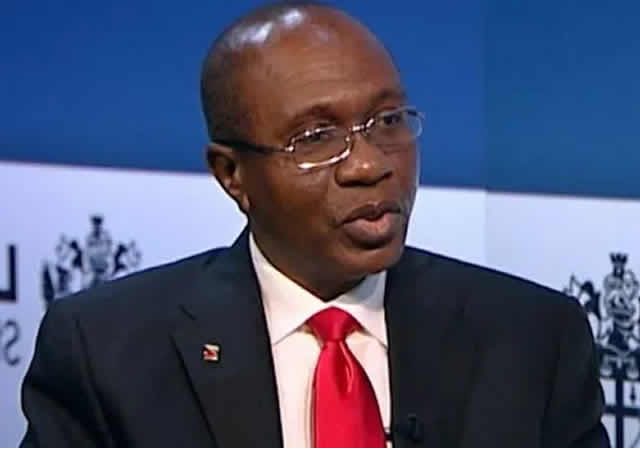
CBN’s Governor, Godwin Emefiele, while addressing journalists shortly after the committee’s meeting said the move was aimed at mopping up excess liquidity from the banking system which had become a threat to inflation.
He also noted that inflation is rising and if not curtailed, it will have dire economic consequences.
According to him, nine members of the committee voted to alter the CRR from 22.5 per cent to 27.5 per cent.
With this decision, the cash available to the banks for lending will reduce as the banks will be required to tie down more funds at the CBN vaults.
He explained that apart from the CRR that was increased, the committee decided to retain the Monetary Policy Rate at 13.5 per cent.
Also retained are the Liquidity Ratio which was left at 30 per cent; and the Asymmetric Window which was left at +200 and -500 basis points around the MPR.
While reading the communiqué, the CBN noted that as at December gross credit by banks grew to N2trn due to the pegging of loan to deposit ratio at 65 percent.
Meanwhile, the Minister of State for Petroleum Resources, Timipre Sylva, has said that if oil prices remain within the$60 and $70 per barrel, it will be good for the country’s fiscal planning and budget implementation in the current year.
Sylva, who made this remark on the sidelines of the World Economic Forum’s annual meeting in Davos, Switzerland, said there was much optimism for the oil market with anticipated growth in demand in the months ahead.
“We will like it to be between the 60s, the upper 60s and be up to 70. OPEC has never really wanted oil price to be raised and we don’t want it to be below certain levels.”
The Organisation Petroleum Exporting Countries (OPEC) with Russia-led non-OPEC members had in 2018 agreed to reduce at least 1.2 million barrels per day oil in the market from January 2019 in order to boost prices.
Nigeria, an OPEC member was initially exempted from the cuts but later joined around September. Sylva said the country was now committed to complying fully with its new production quota.
According to him, last month Nigeria did exactly what the supply quota stipulated, assuring that the country is going to comply onward.
Sylva explained that it was difficult for the country to comply at the start because of adjustment problems, adding, however, that “with this new budget all the adjustments have been taken into consideration that is why it is easier for us now in 2020.”