
By Our Reporter
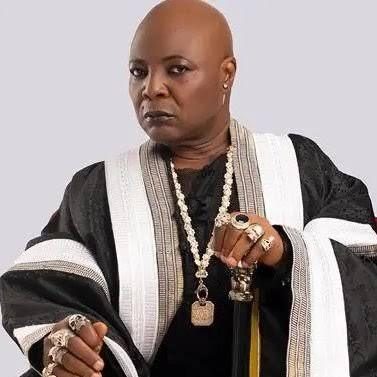
The veteran entertainer and activist, Charles Oputa, popularly known as Charly Boy, has responded sharply to the recent decision by the Bariga Local Council Development Area (LCDA) to remove his name from the well-known “Charly Boy Bus Stop” and rename it “Baddo Bus Stop” in honour of music star Olamide.
Chairman of the Bariga LCDA, Kolade David, had announced the change as part of a broader street-naming initiative aimed at celebrating contemporary local icons. But the move has sparked a fierce response from Charly Boy, who has accused the council of cowardice and attempting to erase a legacy rooted in activism and public advocacy.
Taking to his X (formerly Twitter) account, Charly Boy lashed out at the decision, branding it as a fear-driven act by “small minds and timid hearts” threatened by his decades-long campaign against oppression and injustice.
“You can rename a place… but you can’t rename a legacy. You can replace the signboard… but you can’t erase the spirit,” he declared.
Charly Boy reminded the public that the bus stop wasn’t named after him by politicians but by the people of Bariga and Gbagada who identified with his fearless stand on social issues. He argued that the renaming was not only politically motivated but also a weak attempt to rewrite history, driven by discomfort with his vocal activism.
“This is not just about a bus stop. This is about fear — fear of a man who refused to bow,” he wrote, insisting that no signage swap can diminish his impact or silence the legacy he has built with the people.
The controversy has stirred debate in Lagos social circles over how communities honour legacies — whether based on cultural popularity or civic contribution. While both Charly Boy and Olamide hold distinct places in Nigeria’s pop culture, critics argue that the move smacks of political sanitisation rather than genuine recognition.
Critics have also pointed to an underlying ethnic undertone in the renaming, noting that Charly Boy, an Igbo icon with deep cultural and activist roots, is being replaced in a Yoruba stronghold by Olamide, a celebrated Yoruba artiste. Although, both figures are respected in their own rights, some observers argue that the move reflects a subtle marginalisation of non-Yoruba legacies in Lagos, a city historically known for its cultural plurality but appears to be increasingly leaning towards ethnic exclusivity in political and social recognition.
Charly Boy, also known as “Area Fada,” has for decades been a thorn in the side of Nigeria’s political establishment — using art, satire, and activism to challenge corruption, oppression, and abuse of power. His iconic name became synonymous with the bus stop in Bariga due to his close ties with the local youth and his grassroots engagement over the years.
While the signboard may now read “Baddo Bus Stop,” the renaming has ignited debates over the real motive behind street names, raising questions about how legacies are remembered — As Charly Boy succinctly put it:
“You may change the name. But you will never kill the legacy. Area Fada no dey finish.”