
By Geraldine Onyenweaku
I recently traveled by road to my village to visit my mom and attend an occasion in my father’s compound. In so many years, this would be my first trip by road, and I can tell you I spent many weeks brooding about it. I was scared because of the stories I had heard about the sorry state of our roads and woeful tales about insecurities. I was petrified. But it is a journey I must undertake. I had no excuse whatsoever.
The initial plan was to go by air, but the astronomically high cost of flying discouraged me. Flying would cost us about four hundred and fifty thousand naira round trip. We didn’t have that kind of money to spare, given our other pressing needs. However, for my safety, my husband and family were prepared to make some sacrifices, and we decided that I go by air.
Unfortunately, days spent contemplating what would be the safest and most economical means of transportation, ate into the time. It was then too close to the event and we couldn’t get seats available on any of the airlines flying that route for that week. I suggested to my husband that I brave it and go by road.
Just two days before the event, my husband and I rushed to Jibowu, Yaba, to see if we could book a seat for me on The GodIsGoodMotors, GIGM, going to Enugu. We were lucky to have gotten there early enough to get a seat. When I got to the GIGM office at Jibowu, there were just three more seats available to be filled on the only combined bus for that day to Awka/Enugu. I was lucky to be among the three. I bought my ticket, and we set off.
The journey, which commenced at about 7:00 am from Lagos to Enugu, took us about 15 hours to get to Awkuzu junction, just after Opi Nweka in Onitsha, where we had arranged for a driver to pick me up.
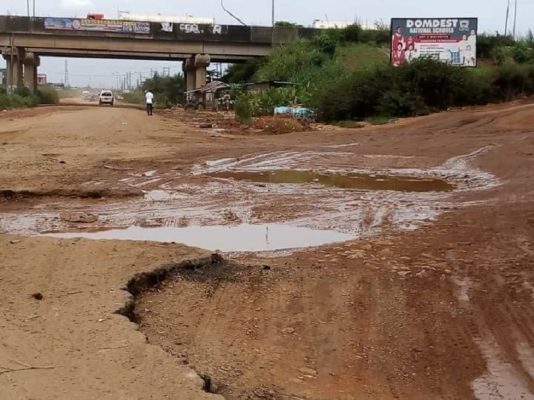
The roads just before Shagamu to Benin and beyond were simply nightmarish. They were in a lamentable state, made worse by heavy-duty trucks, which constantly ply that route, breaking down at every spot conceivable, thereby worsening the traffic situation already made bad by the poor roads.
Our vehicle dragged on and sometimes remained fixed for hours. Due to these blockades and traffic congestion, motorists had to, at great risk to everyone, ply one way on the narrow stretch, given the countless number of trucks contesting the use of the road with other smaller vehicles. They were more than smaller vehicles. Just having to compete over who has the right to the road with these trucks on the ever-narrow stretch gave me shivers. Incessant breakdown of the trucks further exacerbated the traffic situation.
The Benin by-pass road was worse. It was inconceivable to imagine that we had a government in place and the highways were in this sorry state. What is our government doing? What role should the government play in ensuring the free and safe movement of people and property?
It was disturbing and disheartening that such an important federal road that connects the southwest part of the country to the Southeast region and the rest of the country was in such a dismal state and has been allowed to deteriorate to such a despicable level over the years, that a journey of three to four hours can take between twelve to fifteen hours – like a mission impossible.
Besides the horrible experience of navigating through the bad roads, there is also the palpable fear of armed bandits and kidnappers attacking drivers.
Throughout the grueling 15-hour journey, I was speechless. It then dawned on me the hopelessness of our situation and the wickedness of the ruling class. What does it take to fix existing roads? Why is the government allocating huge funds to the building of new roads when the old ones are not maintained? Why is it so difficult for our government to adopt a maintenance culture of all our infrastructure? I thought about the refineries that have broken down over the years and have not undergone the required Turn Around Maintenance, TAM, which has left the oil sector and the economy generally comatose… I cannot fathom how our ‘leaders’ reason.
As I continued my quiet contemplation on the bus, refusing to eat or drink anything to avoid feeling the urge to ease myself, I realised that we have all been made ‘prisoners of sorts’ in our own country. I hated having to cough out so much money beyond my modest earnings to travel to my state to see my loved ones, attend social functions, or interact with extended family members. Having to endure such grueling hours on a bad road at huge risk to my life, to undertake the much-desired journey was, to put it mildly, ‘killing’.
The sheer anxiety I had while commuting took away whatever joy I may have felt initially at the mere thought of reuniting with loved ones. Worse still is the cost of the trip, the big hole it bore in one’s pocket, and the dent it made in one’s account will leave one with nothing to give to those at home. Drivers and transport companies are forced to make some painful adjustments – like limiting the number of buses to one per day, instead of three busses per day per destination, owing to low patronage. Sometimes, passengers from other destinations will be merged into one bus. Transporters also charge double the fares, owing to the high cost of fuel and vehicle maintenance. The poor commuter has to bear the brunt. Even at that, the transporters complain of not making enough money to offset their operational cost.
The deplorable state of the roads increased the agony for the transporters and passengers alike with a great economic impact on the lives of the people living around the area and Nigerians in general. And at great loss of precious lives. I wonder how many more deaths it would take for the government of Nigeria to do the needful and save its people from avoidable deaths and unnecessary pains. It is sheer shortsightedness on the part of the government – current and past – to have ignored these vital roads, knowing their importance to the socio-economic lives of the people.
Consequently, we need the government’s urgent intervention in undertaking rehabilitation or reconstruction of the road for the sake of people living and doing business along that axis and for the entire people of Nigeria.
We, therefore, appeal to President Tinubu and his Minister of Works, Engr. Dave Umahi to urgently heed the cries of the people and direct their resources and energy towards rehabilitating these bad roads and bringing the necessary relief to the people. It is about time we started reaping the dividends of democracy – it is long overdue.