
By Mary Onyia
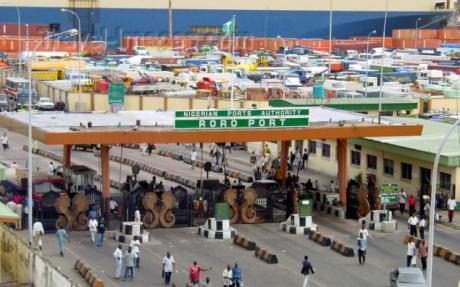
The National President of the Association of Nigerian Licensed Customs Agents (ANLCA), Emenike Kingsley Nwokeji, has launched a scathing attack on the Nigerian Ports Authority (NPA), describing the country’s ports as inefficient, outdated, and deliberately frustrating trade to the detriment of the economy.
Speaking at the Lagos Chamber of Commerce and Industry (LCCI) Stakeholders’ Forum on Port Efficiency, themed “Improving Trade Facilitation Through Port Efficiency and Cost Effectiveness,” Nwokeji blamed the country’s decaying port infrastructure for rising inflation and increased cost of goods.
He cited failed roads, poor automation, persistent network failures, and multiple overlapping regulatory agencies as the main culprits of the chaos at Nigerian ports.
“The infrastructure at the ports must be addressed immediately. Containers are falling off flatbeds because of terrible roads, and importers are losing millions daily,” Nwokeji lamented.
He revealed that ports in countries like Ghana are now light years ahead of Nigeria in terms of automation and efficiency. “Tema Port has over eight scanners. Most Nigerian ports don’t even have one working scanner,” he said.
In a blistering critique of NPA’s operations, he added: “Every Friday, the server mysteriously goes down and doesn’t come back till Monday. How can a modern port shut down digitally every weekend? This is deliberate sabotage of trade. While ports in other countries ramp up operations at night, ours close like a government office by 5 p.m.”
Nwokeji also highlighted the absurdity of double and sometimes triple charges on the same cargo. He questioned the logic behind paying for a Clean Report of Inspection (CRI) abroad, only to be charged again by NAFDAC upon arrival in Nigeria.
“After clearing with NAFDAC, the Standards Organisation of Nigeria (SON) and Quarantine still come to inspect and charge again. Why do we have to pay three times for one cargo?” he asked, describing the situation as “anti-trade and unsustainable.”
He accused many agencies of intentionally delaying processes to encourage physical interactions—often for corrupt gains.
The ANLCA boss warned that unless urgent reforms are undertaken, Nigeria risks becoming a logistics pariah in the global trade ecosystem.
“We cannot continue like this. Efficient port operations are fundamental to trade and economic growth. If we fail to fix this mess, we will continue to drown in inflation, inefficiency, and global irrelevance.”
The stakeholders’ forum served as a rallying cry for the private sector, as attendees urged the NPA to wake up from what they called “decades of neglect and bureaucratic complacency.”