Bisi Lawal
The inability of oil marketers to access the United States dollars and the unabated fall of the naira against the dollar has pushed up the price of diesel from N900 to N950 per litre, which is affecting their ability to import the commodity.
Oil marketers, on Monday, attributed this current increase in the cost of diesel to foreign exchange crisis in Nigeria and the recent implementation of a 7.5 per cent Value Added Tax on Automotive Gas Oil, popularly called diesel.
The development has made local manufacturers say that the situation may lead to the closure of some factories and job losses.
Speaking under the aegis of the Natural Oil and Gas Suppliers Association of Nigeria at a press briefing in Abuja, the National President Of NOGASA, Benneth Korie, blamed the recent rise in the cost of diesel to the introduction of the 7.5 per cent VAT on the commodity by the Federal Government, adding that prior to the recent increase in Vat, diesel sold for N650 per litre.
Korie said, “Diesel price is now approaching N900 to N950/litre depending on where you are buying it from.
“This increase in price is also due to the scarcity of the dollars. The government has to intervene in this dollar situation. All bank CEOs, Central Bank of Nigeria and others must meet to address this dollar issue. The way it is going, it will destroy a lot of things for us if it is not controlled.”
Korie also called on President Bola Tinubu to get Nigeria’s refineries working. He said the pressure by marketers and other importers on dollars would reduce when Nigeria’s refineries start to pump out refined products.
“Our refineries were built by human beings and can be fixed by human beings. I believe Nigerian engineers can fix these refineries, instead of us depending on imports. This is not sustainable.
“We are pilling pressure on the very limited dollars in the country by importing petroleum products and other commodities. But once our refineries start working, this pressure will drastically reduce. The government has to fix our refineries,” he stated.
He also called on the federal government to prioritise building of infrastructure in the country, pointing out the dismal state of the roads across the federation, which he stressed had hindered the movement of goods from one point to another.
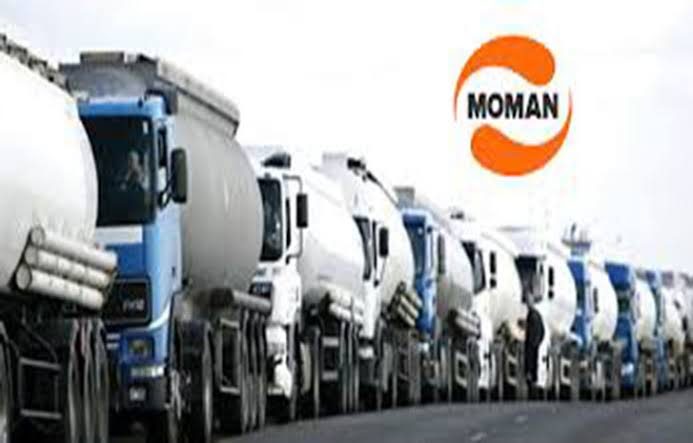
“For two weeks now our tankers have been on that road; you can’t cross it. Our roads are bad, our trucks trapped on the Warri-Abuja road for two weeks, our drivers are kidnapped, killes, while others suffer.
“Some of the roads are blocked. If the government does not fix those roads, then petroleum products will stop coming to Abuja and other locations across the country,” Korie stated.