
By Our Correspondent
Russia and the United States on Monday found themselves on sharply opposing sides of Iran’s deepening crisis, as Moscow condemned what it described as “foreign interference” in Tehran’s internal affairs, while Washington escalated pressure with a sweeping trade threat. Russia’s first official reaction came through state media, accusing unnamed foreign powers of exploiting unrest in Iran, even as the United States warned it would punish countries that continue doing business with Tehran.
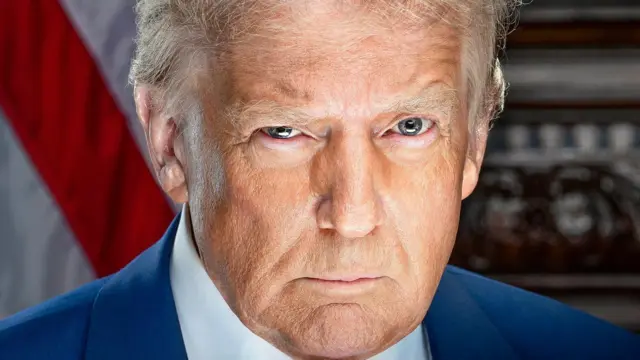
US President Donald Trump announced a 25 percent tariff on any nation trading with Iran while also maintaining commercial ties with the United States, a move he said would take effect “immediately.”
In a social media post, Trump declared the order “final and conclusive,” signaling a readiness to use economic force to isolate Iran further. The warning directly targets Iran’s key trade partners, including China, Turkey, the United Arab Emirates, and Iraq.
The hardline stance from Washington contrasts sharply with Moscow’s position. Russian officials framed the protests as a matter of Iranian sovereignty, rejecting Western pressure and aligning with Tehran’s claim that external actors are fueling the unrest. The divide underscores a growing geopolitical rift, with Iran once again at the center of a power struggle between major global actors.
The crisis in Iran began more than two weeks ago, triggered by worsening economic conditions marked by inflation, unemployment, and declining living standards. What started as economically driven demonstrations quickly evolved into nationwide protests openly challenging the Islamic Republic’s leadership, posing one of the most serious threats to the system established after the 1979 Islamic Revolution.
Rights groups say the government’s response has been severe. Norway-based Iran Human Rights estimates that at least 648 people have been killed in the crackdown, including minors, while thousands have been arrested amid a near-total internet shutdown. Iranian authorities dispute the figures, blaming “rioters” and foreign-backed agitators, and say dozens of security personnel have also been killed.
Despite the unrest, Iran’s leadership has projected defiance. Supreme Leader Ayatollah Ali Khamenei has hailed pro-government rallies as proof that the protest movement has been defeated, while senior officials warn the country is fighting what they describe as a multi-front war — economic, psychological, and military. Tehran insists it is not seeking war but says it is prepared for one if attacked.
- For ordinary Iranians, the implications are grim. Expanded US tariffs could further choke the economy, worsen shortages, and drive up prices, compounding the hardship that sparked the protests in the first place. As global powers harden their positions, many fear the people of Iran will bear the heaviest cost — squeezed between internal repression and intensifying international pressure.