
By FiscalPost
In the glass towers of Victoria Island, where Nigeria’s financial elite orchestrate billion-naira deals over morning coffee, the story of First Bank’s dramatic ownership shift reads like a corporate thriller. Last Wednesday, July 16, 2025, the Nigerian financial landscape witnessed one of its most significant ownership transfers as billionaire businessman Femi Otedola consolidated his grip on First Bank of Nigeria Holdings Plc (FirstHoldco) through a meticulously executed ₦324.47 billion share acquisition that sent shockwaves across Broad Street and beyond.
The transaction, executed through 17 separate negotiated trades at ₦31 per share, saw the exit of two financial titans who had dominated First Bank’s boardroom for decades: Oba Michael Otudeko and Tunde Hassan-Odukale. In a single trading session, over 10.43 billion units changed hands, effectively ending years of boardroom tensions and ownership disputes that had kept Nigeria’s financial media buzzing.
The Players in Nigeria’s Biggest Banking Drama
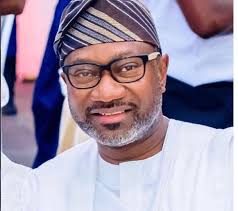
At the center of this corporate chess game sits Femi Otedola, the 61-year-old billionaire whose Midas touch has transformed everything from petroleum distribution to telecommunications. Before this blockbuster deal, Otedola held approximately 12% of FirstHoldco through his investment vehicle, but Wednesday’s acquisition catapulted his stake to an commanding 36.7%, making him the undisputed king of Nigeria’s oldest bank.
“This transaction represents more than just a change in ownership,” explains Dr. Chioma Nwosu, a senior banking analyst who has tracked First Bank’s evolution for over two decades. “It’s the culmination of years of strategic positioning by Otedola, who recognized the inherent value in Nigeria’s most extensive banking network long before others caught on.”
The departing shareholders tell their own fascinating stories. Oba Otudeko, the 79-year-old patriarch of Honeywell Group, had been a dominant force in First Bank’s affairs since the 1990s, serving as chairman and wielding considerable influence over the institution’s direction. His exit, worth approximately ₦241.4 billion through the sale of 7.787 billion shares, marks the end of an era for a man who built his fortune from flour mills and cement manufacturing into a diversified empire spanning multiple sectors.
Hassan-Odukale, the younger but equally formidable businessman, commanded respect in First Bank’s boardroom through his substantial 5% holding. His departure, facilitated through the sale of 2.647 billion shares worth ₦82 billion, removes another layer of the complex ownership structure that had characterized First Bank for years.
Behind the Scenes: The Anatomy of a Mega-Deal
The mechanics of this transaction reveal the sophistication of Nigeria’s capital markets and the strategic thinking behind major corporate realignments. RC Investment Management, widely understood to be acting on Otedola’s behalf, executed the purchases with surgical precision across multiple trading sessions.
The breakdown tells its own story: Barbican Capital Limited, Otudeko’s primary investment vehicle, disposed of 5.875 billion shares, while Peace Account GASL Nominee and RAML/MEF9 accounted for the remaining portions of his holdings. The sheer complexity of these holdings—spread across corporate entities and pension fund accounts—reflects the intricate web of Nigerian corporate ownership structures.
Market observers note that the ₦31 per share price, while representing a premium to recent trading levels, reflects the strategic value that control of First Bank represents. With over 820 business locations across Africa and an agent banking network exceeding 233,500 locations across Nigeria, First Bank’s distribution network is unmatched in West African banking.
The Controversy That Nobody Saw Coming
Yet this seemingly straightforward corporate transaction has been anything but smooth. Industry insiders whisper about the timing, the pricing, and the broader implications for Nigeria’s banking sector. Some minority shareholders have raised eyebrows about the negotiated nature of the trades, questioning whether smaller investors received fair treatment in the process.
“The concern isn’t necessarily about the legality of the transaction,” notes Professor Adebayo Simmons, a corporate governance expert at Lagos Business School. “Rather, it’s about the precedent this sets for how major ownership changes occur in Nigeria’s systemically important financial institutions.”
Adding fuel to the controversy are questions about regulatory approvals and the broader strategic direction of First Bank. The Central Bank of Nigeria, which has maintained silence about the transaction, faces pressure to clarify its position on such significant ownership concentrations in the banking sector.
The timing also raises questions. Coming amid the CBN’s recent directive suspending dividend payments for banks that failed to meet new capital requirements, the transaction appears to position Otedola advantageously for the sector’s ongoing recapitalization efforts.
What This Means for First Bank’s 42 Million Customers
For the millions of Nigerians who depend on First Bank for their daily financial needs, this ownership change promises significant implications. Otedola’s track record in transforming businesses suggests that substantial investments in digital infrastructure and customer service enhancements may be forthcoming.
Mrs. Folake Adebayo, a small business owner who has banked with First Bank for fifteen years, represents the cautious optimism of many customers. “I just want to know that my deposits are safe and that the bank will continue to serve small businesses like mine,” she explains while conducting transactions at a Victoria Island branch. “These big men buying and selling shares doesn’t mean much to me unless it improves the service.”
Otedola’s previous investments in Forte Oil (now Ardova Plc) and his significant holdings in other financial services companies suggest a strategic approach focused on operational efficiency and technology-driven growth. Industry analysts predict increased investment in digital banking platforms and expanded services for retail customers.
The Broader Banking Landscape
This transaction occurs against the backdrop of significant changes in Nigeria’s banking sector. The CBN’s recent increase in minimum capital requirements has forced banks to raise fresh capital or face potential sanctions, creating opportunities for strategic investors like Otedola.
The timing of First Bank’s ownership consolidation positions it advantageously as the sector navigates these regulatory changes. With improved capital adequacy ratios and reduced governance complexities, the bank may find itself better positioned to pursue growth opportunities across West Africa.
Looking Ahead: The New First Bank Era
As dust settles on this landmark transaction, attention turns to Otedola’s vision for First Bank’s future. Having demonstrated his commitment through this massive investment, stakeholders expect clear strategic direction and ambitious growth targets.
The new ownership structure eliminates the complex dynamics that had characterized First Bank’s boardroom for years. With Otedola firmly in control, decisions can be made more swiftly, potentially unlocking value that had remained dormant due to governance complexities.
For Nigeria’s banking sector, this transaction represents a new chapter in corporate evolution. As traditional family-controlled banking structures give way to more concentrated professional management, the industry may see increased efficiency and clearer strategic direction.
The ₦324.47 billion question now becomes whether Otedola’s vision for First Bank will transform Nigeria’s oldest financial institution into its most dynamic. With over 130 years of banking heritage and one of Africa’s most extensive distribution networks under new management, the answer will shape Nigeria’s financial landscape for decades to come.
As one veteran banking executive puts it, “This isn’t just about changing ownership—it’s about positioning First Bank for the next century of Nigerian banking.” In Lagos’ financial corridors, that future begins now.